
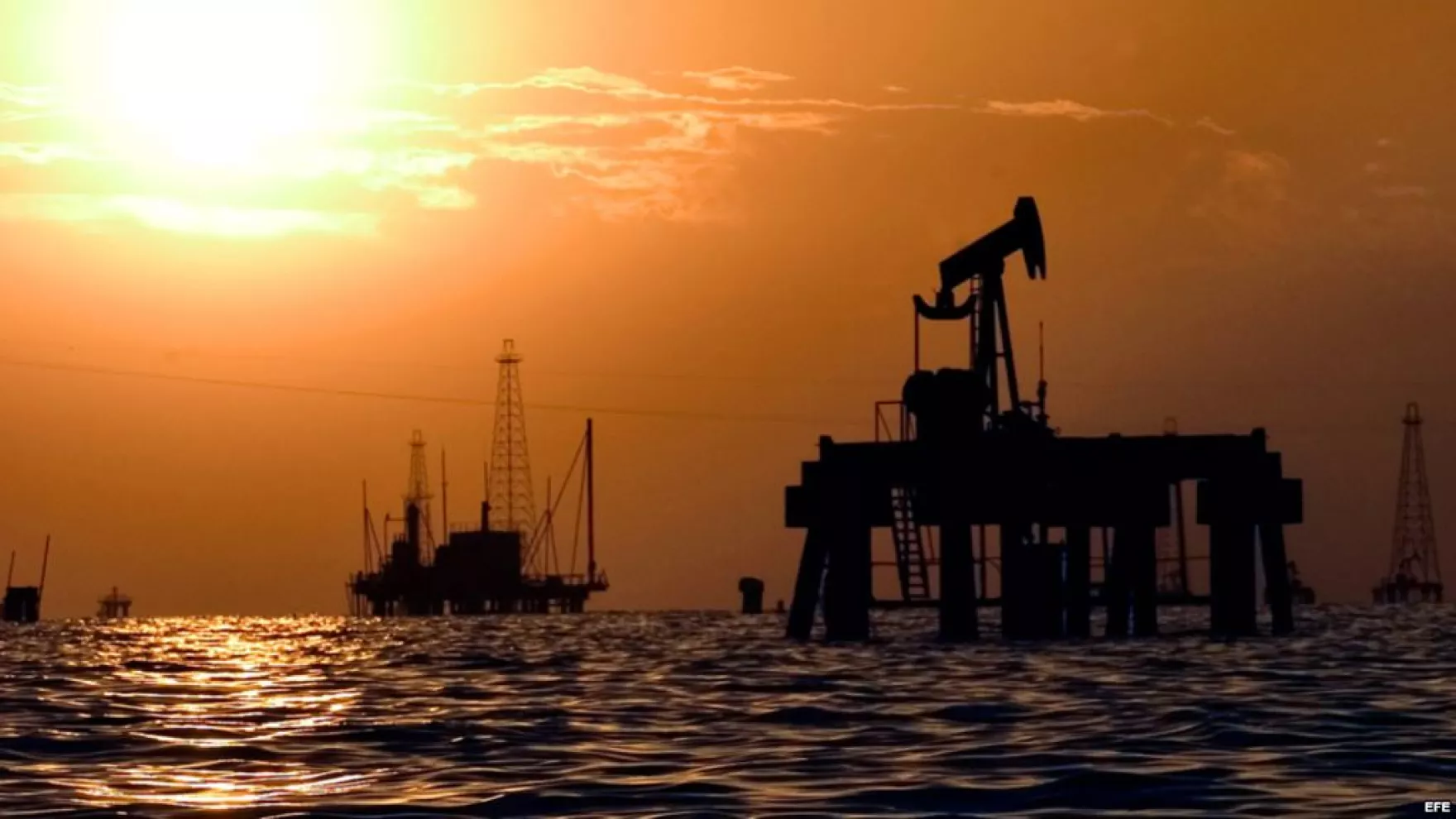
Venezuela’s political history since 1950 has been profoundly shaped by oil.
In the mid-20th century, Venezuela tentatively emerged from decades of often chaotic military rule. The pivotal turning point came in 1958, when a popular uprising — joined by business leaders, students, and military factions — overthrew the authoritarian regime of Marcos Pérez Jiménez. His rule, while marked by infrastructure projects and modernization, relied heavily on repression and corruption. With his fall, Venezuelans sought to build a stable democratic order.
Out of that moment arose the Pacto de Punto Fijo (1958), an agreement among the country’s main political parties — Acción Democrática (AD), COPEI (a Christian-democratic party), and Unión Republicana Democrática (URD). This period, from 1958 to the 1990s, is sometimes called the “Fourth Republic.” The pact committed them to respect election outcomes, share power, exclude extremist threats, and protect the new democracy. In a region often plagued by coups, Venezuela stood out as a relatively stable democracy during the Cold War.
The 1960s and 1970s saw the consolidation of Venezuelan democracy. The country experienced competitive elections, peaceful transfers of power, and economic growth fueled largely by oil. Leaders such as Rómulo Betancourt and Raúl Leoni faced left-wing guerrilla movements inspired by the Cuban Revolution, but these insurgencies ultimately failed to gain mass support. At the same time, petroleum revenue enabled ambitious social spending, urbanization, and the expansion of education and health services.
The oil boom of the 1970s intensified Venezuela’s dependence on petroleum. President Carlos Andrés Pérez (first term, 1974–1979) nationalized the oil industry in 1976, creating the state company PDVSA. Flush with petrodollars, the government expanded subsidies, imports, and public employment. This prosperity gave rise to expectations of permanent abundance, but it also concealed structural weaknesses — particularly the failure to diversify the economy, rampant patronage, and growing inequality.
By the 1980s, falling oil prices exposed those weaknesses. Venezuela confronted debt crises, inflation, and unemployment. The legitimacy of the Punto Fijo system eroded as corruption scandals multiplied and ordinary citizens suffered. In 1989, Pérez—returning for a second term—adopted austerity measures recommended by international lenders. The sudden rise in fuel and transportation prices triggered massive protests known as the Caracazo, which were met with brutal military repression and hundreds (perhaps thousands) of deaths. For many Venezuelans, democracy now seemed to benefit elites rather than the people.
This crisis set the stage for the rise of Hugo Chávez. A lieutenant colonel influenced by nationalist and leftist ideas, Chávez led a failed coup in 1992. Imprisoned but charismatic, he became a symbol of anti-establishment revolt. After receiving a presidential pardon in 1994, he built a political movement promising to end corruption, empower the poor, and refound the republic. In 1998, amid widespread disillusionment with traditional parties, Chávez won the presidency.
Chávez launched the “Bolivarian Revolution,” rewriting the constitution in 1999 to expand presidential powers, increase popular participation, and rename the country the “Bolivarian Republic of Venezuela.” High oil prices in the 2000s financed social “missions” focused on literacy, healthcare, and poverty reduction, which secured Chávez broad popular support. Yet his project also centralized authority, politicized the courts and electoral institutions, marginalized opponents, and increasingly relied on clientelism.
In 2002, parts of the military, business leaders, and opposition groups briefly removed Chávez in a failed coup. The episode deepened polarization: Chávez radicalized, accusing opponents of serving foreign interests, while the opposition accused him of authoritarianism. Over time, independent media were constrained, private property came under pressure through nationalizations, and PDVSA became a political instrument rather than a technocratic oil company.
After Chávez’s death in 2013, Nicolás Maduro inherited both power and problems. His government continued to support the Bolivarian socialist policies but also oversaw a severe economic crisis. Without Chávez’s charisma, Maduro presided over collapsing oil revenues, hyperinflation, shortages of food and medicine, and mass migration. He weakened remaining democratic checks, sidelined the opposition-controlled National Assembly (elected in 2015), and convened a controversial Constituent Assembly in 2017. Many governments and observers labeled Venezuela an increasingly authoritarian regime.
Opposition movements, sometimes united, sometimes fragmented, sought to challenge Maduro through protests, elections, and international pressure. In 2019, opposition leader Juan Guaidó declared himself interim president, recognized by several governments — but Maduro retained control of the military and state institutions. Meanwhile, sanctions, mismanagement, and corruption worsened living conditions, while the government relied on security forces and loyalist networks to survive.
Across this trajectory, oil has shaped everything, funding democracy, enabling ambitious social policies, and later underwriting authoritarian consolidation while discouraging diversification and accountability. The initial democratic pact delivered stability but gradually became exclusionary, discrediting itself through corruption and inequality. The Bolivarian era promised social justice but increasingly concentrated power and eroded state institutions, leaving the country vulnerable when economic fortunes turned.
And this weekend, after months of posturing and minor incursions targeting so-called “drug boats,” the U.S. Trump administration intervened, unilaterally and without legal sanction, with a covert military operation. Armed forces entered Venezuela, removing Maduro from power, declaring that the U.S. will now “run” the country, and announcing plans to send in “American companies” to increase oil production and (presumably) export it to the U.S..
It’s always been about oil.
Rev Dr Rod Benson is General Secretary of the NSW Ecumenical Council and a minister of the Uniting Church of Australia serving at North Rocks Community Church.
Image source: WLRN.org
 iDigress