
Scripture, science, and the risk of eisegesis
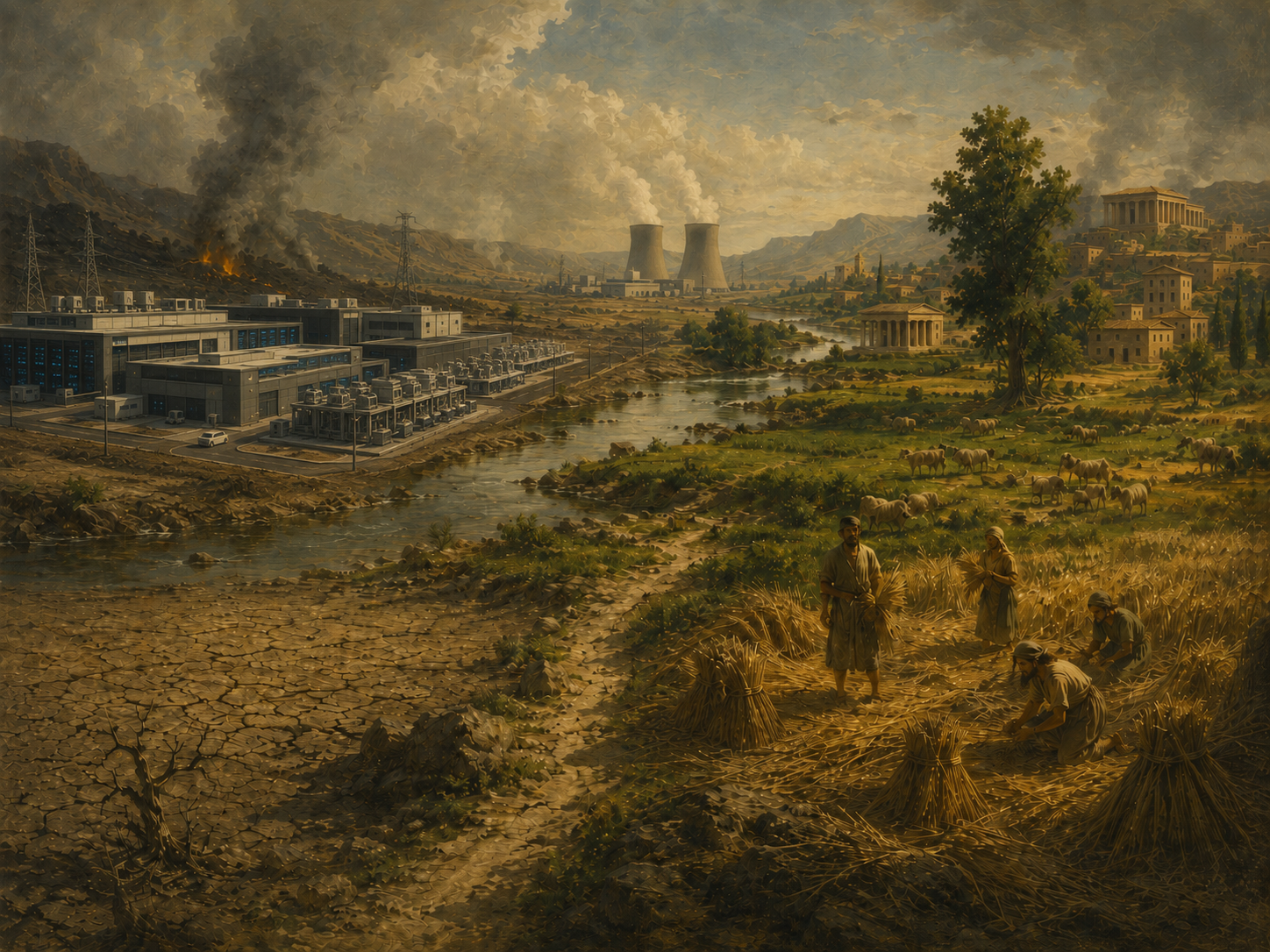
One difficult task facing ecological hermeneutics is constructing an intellectually responsible relationship between ancient Scripture and contemporary science. Climate modelling, atmospheric chemistry, ecology, hydrology and biodiversity research operate within bodies of knowledge that did not exist when biblical texts were written. Scripture, meanwhile, speaks through narrative, poetry, prophecy, wisdom, law, gospel and apocalyptic vision.
Ecological hermeneutics cannot responsibly treat Scripture as though modern environmental science were concealed within ancient texts, nor should theology simply add religious vocabulary to conclusions produced elsewhere. A more productive relationship requires both conversation and differentiation.
Ancient worlds and modern questions
Biblical writers nevertheless understood the reality of ecological vulnerability. All agricultural societies depended upon rainfall, fertile soil, livestock, water supplies and seasonal rhythms. Drought and famine threatened entire communities, warfare could devastate agricultural land, and rivers, wilderness, animals and harvests were fundamental conditions of human existence. Yet the biblical writers were unfamiliar with anthropogenic climate change, greenhouse-gas accumulation, industrial-scale fossil-fuel combustion, or modern biodiversity science. Statements such as “the Bible advocates climate action” therefore require qualification. They may express a legitimate contemporary theological conclusion, but are not historical descriptions of problems that biblical authors themselves were addressing.
Recognising this distinction does not make Scripture irrelevant. It clarifies the pathway by which Scripture becomes relevant. A responsible ecological interpretation might proceed through several distinguishable movements: reading the ancient text, historical interpretation, ecological interrogation, canonical conversation, theological synthesis, scientific knowledge, ethical discernment and prudential action. The sequence is not an inflexible formula, but it helps identify where particular claims arise.
Historical interpretation asks what kind of text is being read, why it was written and what its imagery probably communicated within the ancient world. For example, ecological interrogation asks how humans are related to land, water and animals, whether the non-human world possesses agency or only instrumental value, and who flourishes or suffers within the text’s imagined world. Canonical conversation then asks how the passage relates to other biblical traditions rather than allowing one text to carry an entire theological argument. Theological synthesis considers doctrines such as creation, sin, providence, incarnation, reconciliation, resurrection and eschatological hope.
Distinct disciplines, shared deliberation
Contemporary scientific knowledge identifies what is happening within the physical world and what consequences are reasonably anticipated. Ethical discernment considers obligations arising from those realities, while prudential judgment asks what policies or practices most effectively realise those obligations. Confusion arises when these stages are collapsed.
Science and theology do not simply provide competing answers to identical questions. Scientific inquiry investigates physical processes through observation, measurement, modelling and critical testing. Climate science investigates the causes and likely consequences of warming; ecology describes relationships among species, habitats and environmental systems. Yet science alone cannot determine why Christians should value the flourishing of other creatures, what obligations present generations owe future generations, or how ecological burdens should be distributed justly. Those are ethical and theological questions.
Conversely, biblical texts cannot determine appropriate atmospheric carbon concentrations or adjudicate competing technologies for electricity generation. To ask them to do so confuses divine revelation with scientific description. Science and theology should remain distinct while contributing to common practical deliberations.
The risk of eisegesis
Eisegesis is the technical term for reading one’s own ideas, assumptions, values or concerns into a text rather than drawing out the intended meaning of the text in its historical, literary and theological context. The risk of eisegesis is especially acute when an ethical cause is urgent. For example, a preacher may begin with well-supported scientific conclusions concerning climate change and then search Scripture for passages involving rivers, trees, land or stewardship. The resulting sermon may advocate an ethically defensible position while nevertheless offering poor exegesis. The problem is not the conclusion but the claim that a particular biblical text establishes that conclusion.
Christian ethics has always required theological reasoning beyond direct biblical commands. Scripture contains no developed analysis of nuclear deterrence, artificial intelligence, constitutional democracy or carbon pricing. Christian judgments regarding such matters necessarily involve theological synthesis, reason, experience and appropriate specialist knowledge. Environmental ethics should be equally candid about that process. Indeed, the stronger the contemporary ethical claim, the more useful it becomes to distinguish what derives from Scripture, theological construction, scientific evidence and political judgment.
This framework also corrects an overly individualistic environmental ethic. Ecological degradation is not simply the accumulated consequence of people failing to recycle or using too much electricity. Climate change, habitat destruction and pollution involve infrastructures, markets, patterns of production, political decisions, energy systems, corporate behaviour and disparities of wealth and power. Pope Francis’s concept of “integral ecology” is influential partly because it refuses to isolate environmental questions from economic and social ones.[1]
Personal and structural responsibility
Ecological responsibility involves personal as well as global choices, and Christian traditions recognise social and structural dimensions of wrongdoing as well as individual sins. Systems may generate damaging consequences that exceed the intentions of individual participants. Congregational teaching that concentrates exclusively on personal virtue risks underestimating the structural character of ecological problems, while discourse focused entirely upon corporations or governments obscures individual responsibility. A mature ecological ethic requires both.
One of the best tests of ecological hermeneutics is the capacity for restraint when encountering biblical passages that do not readily support contemporary environmental aspirations. Scripture contains images of ecological abundance, but also drought, ruined landscapes, animal death, conquest and cosmic destruction. Prophetic and apocalyptic texts may imagine environmental devastation as metaphors of judgment. Such texts should not be concealed in the construction of a uniformly “green Bible.” Allowing them to remain difficult encourages hermeneutical humility.
Similarly, theology is most helpful when it assists Christians to reason within complexity rather than prematurely sanctifying one ecological program.
Building the bridge
The bridge between scientific and theological discourse is best understood as ethical and hermeneutical. Science helps describe our ecological circumstances. Theology asks how those circumstances should be interpreted within Christian accounts of creation, neighbour-love, justice, limitation, sin and hope. Scripture provides narratives, concepts, symbols and moral worlds that shape Christian imagination. None of these sources should be asked to perform the work of all the others.
Scripture does not need to contain modern climate science in order to speak profoundly to Christians living through climate change. Similarly, science does not need to be dressed in theological language in order to challenge Christian discipleship. Complexity honestly acknowledged is preferable to certainty artificially constructed, and careful ecological hermeneutics can strengthen environmental advocacy by ensuring that the moral urgency of ecological crisis is matched by intellectual and theological integrity.
The next question is practical and ecclesial: what happens when this disciplined conversation moves from academic method into preaching, worship, formation and congregational decision-making? Part 3 of the series explores this question.
Rev Dr Rod Benson is General Secretary of the NSW Ecumenical Council and a minister of the Uniting Church in Australia serving at North Rocks Community Church in Sydney.
Reference
[1] See Laudato Si, chapter 4 (paragraph 137ff).
Image source: AI

